Completed · 2019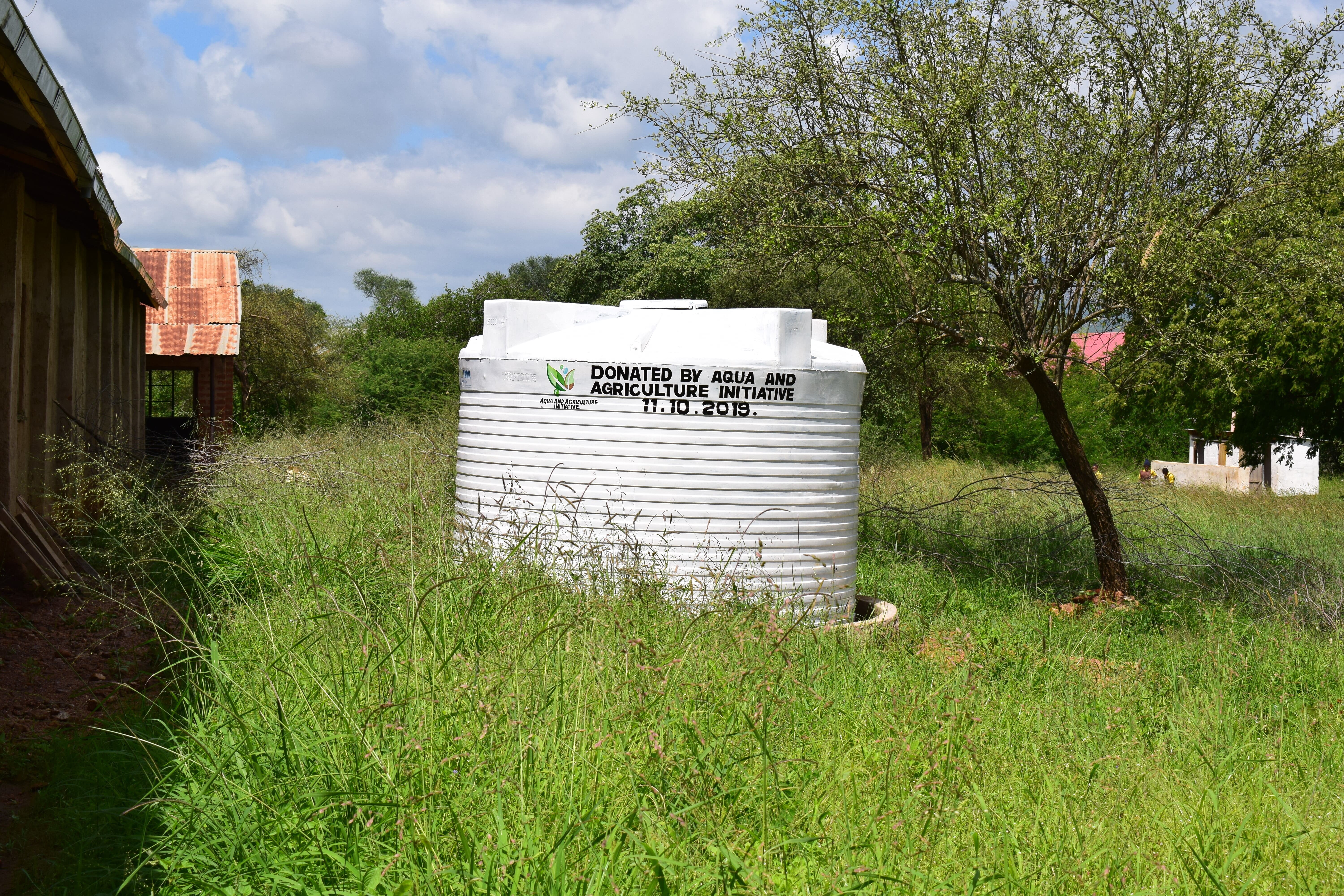
◍ Kitui County
Mulenyu Primary School
Pupils once walked over two hours to the seasonal Mutongwe River. We identified the need and brought clean water to their doorstep.
Read the story → Aqua & AgricultureInitiative
We work alongside communities in Kenya's arid and semi-arid regions — bringing safe water, climate-smart agriculture and education to the places that need them most.
In Magarini, Kilifi — one of Kenya's driest sub-counties — two schools shared water from broken 20,000-litre tanks. Together with the community, we are rebuilding a clean, reliable supply for thousands of pupils.
See the project →
Since 2017 we have worked hand in hand with people in Kitui, Makueni and Kilifi — not for them, but with them.
A food-secure nation where everyone has access to safe and sufficient drinking water.
To improve quality of life in arid and semi-arid regions of Kenya by mitigating food insecurity and enhancing access to safe and sufficient water.
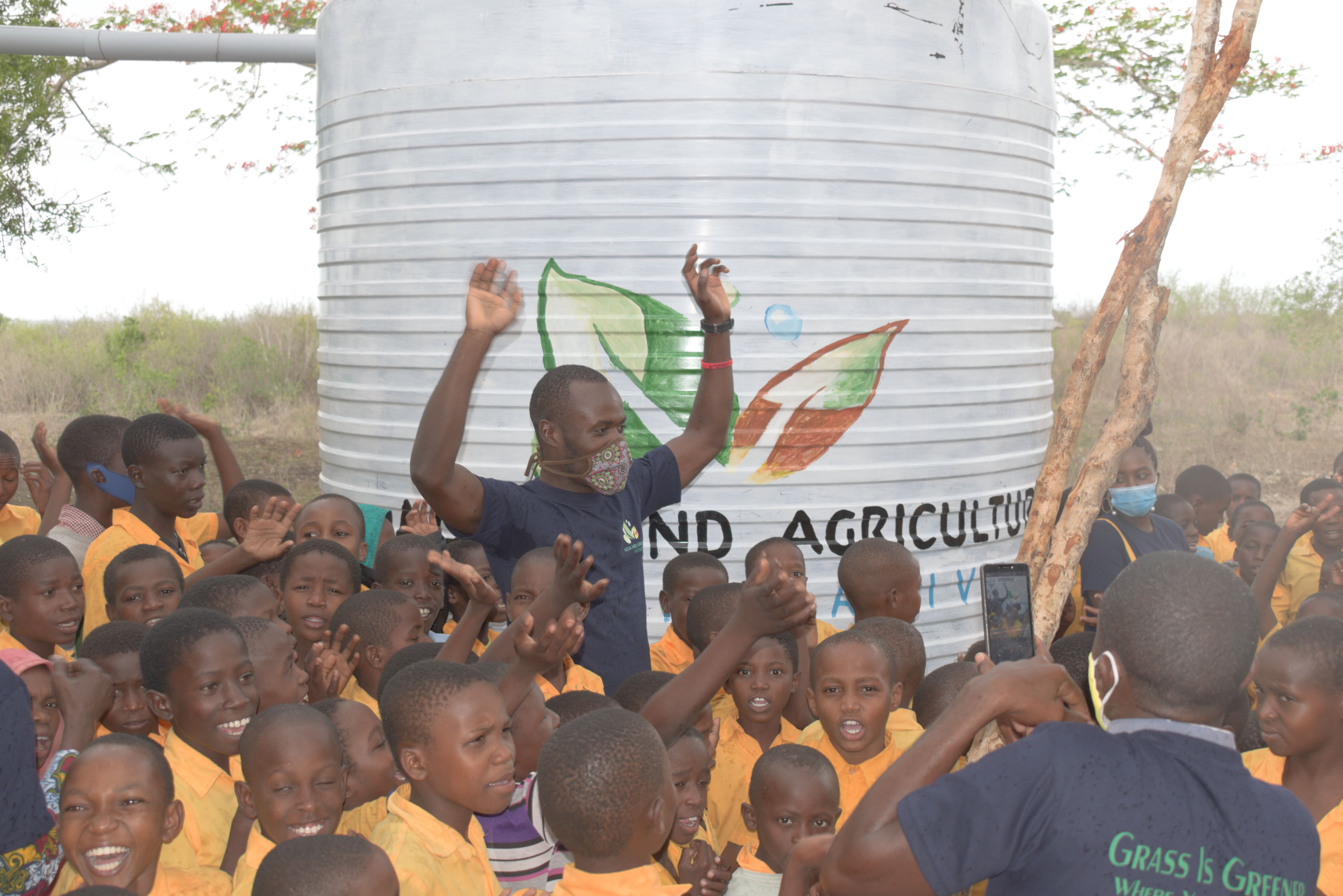
Pupils once walked over two hours to the seasonal Mutongwe River. We identified the need and brought clean water to their doorstep.
Read the story →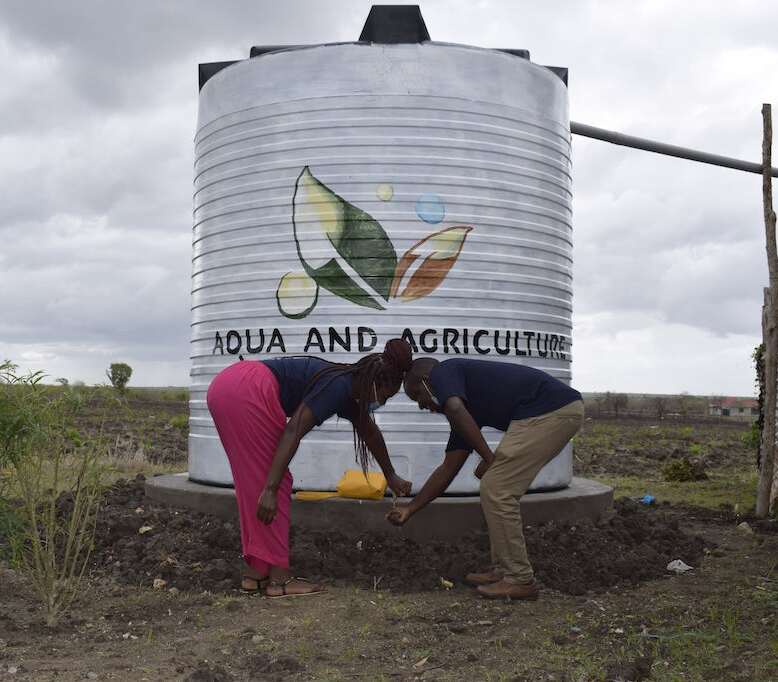
Two schools in one of Kenya's driest regions shared water from broken tanks. We are rebuilding their supply for thousands of pupils.
Read the story →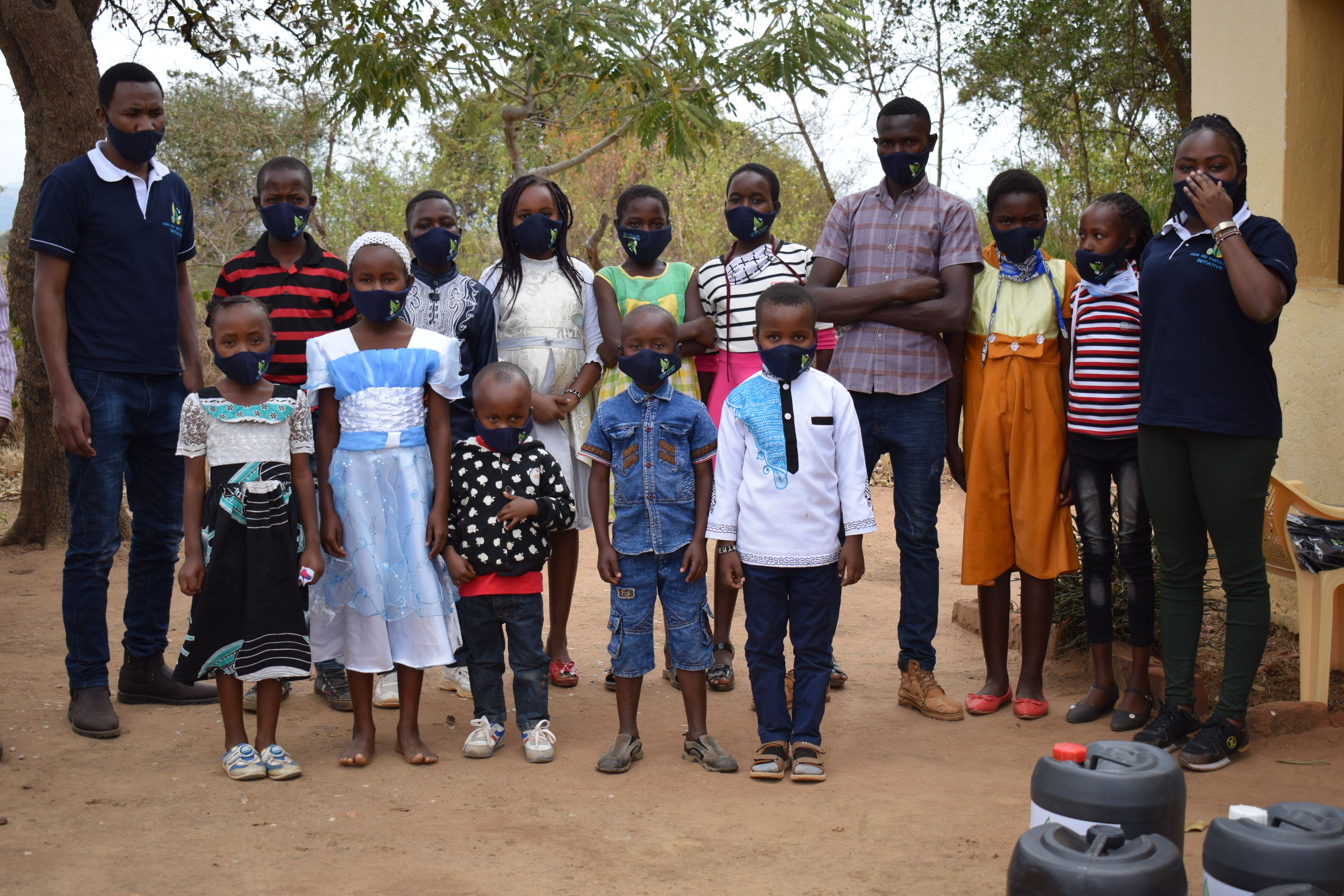
When the pandemic compounded drought and famine, Aqua A.I stepped in with critical support for the worst-affected families.
Read the story →Water, food and the land are inseparable. We work across all of them — and build local capacity so the change outlasts us.
Reliable, safe water for schools, homes and farms.
Climate-smart farming that strengthens food security.
Afforestation that pushes back desertification.
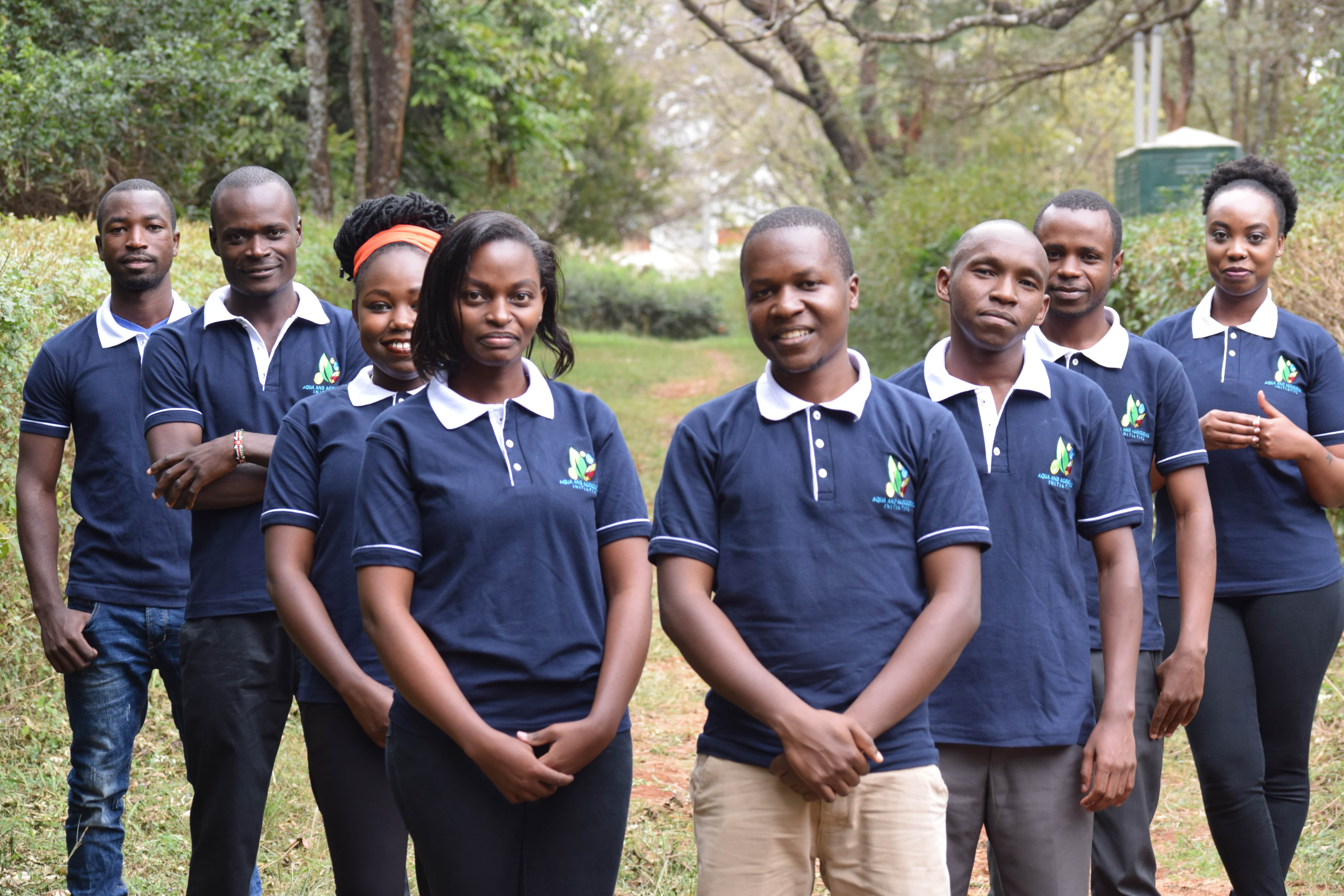
Empowerment and capacity built with local people.
Your gift funds sustainable water solutions in Kenya's driest regions — every shilling reaches the ground.
Give today →Join our team on the ground and make a hands-on impact alongside the communities we serve.
Join the team →Fund long-term water and agriculture programmes across three counties as an institutional partner.
Start a conversation →Help us bring clean water to schools, empower farmers and build resilient communities across Kenya.